


Waste of the Day: Cost Overruns For Weapons
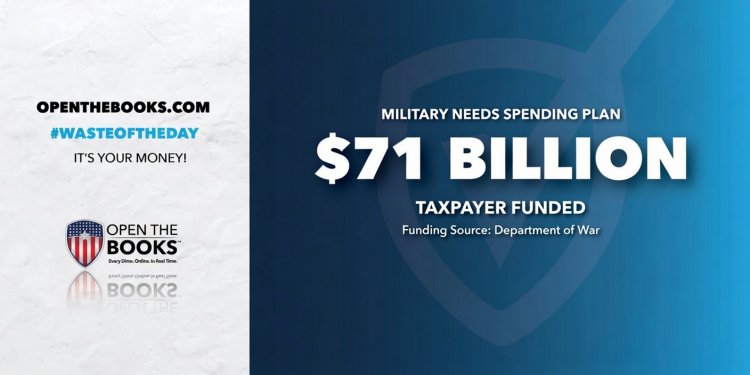
The Army, Navy and Air Force each lack a plan to make fiscally-sound decisions on upcoming upgrades to fighter planes and ships that will cost a combined $71 billion, according to two reports released by the Government Accountability Office in July.
The Air Force is spending $21 billion to upgrade the engines, communications systems, software, weapons and more on 76 of its B-52 bombers from the 1950s so they will be usable for several more decades.
The new engines have been delayed almost four years because of an issue with their design, and their cost has risen by 38%. Upgraded radar systems are two years late and 30% over budget.
Normally, the Air Force would build one prototype engine and test it in a B-52 to make sure it is operational. But to avoid further delays, officials plan to mass produce the engines before testing is complete. That could cause more cost overruns and delays if a problem is found after mass production begins, according to the GAO.
The Army and Navy are experiencing similar delays with the hypersonic missile system they are installing on several warships, at a cost of $50 billion.
The Navy hired Lockheed Martin to build 12 missiles per year, but the missiles are more labor-intensive than anticipated. The company can only produce six or seven missiles per year, placing the project two years behind schedule.
A Navy audit in 2023 found that Lockheed Martin was not properly marking expired supplies and was skipping other quality assurance measures. The company is in the process of fixing the problems, according to the GAO.
The Army and Navy are also duplicating their efforts. The Army hired a consultant for $6 million to recommend ways to improve its hypersonic missile production. The Navy, instead of adopting the consultant’s advice, has tasked its employees with preparing a separate list of recommendations.
The Army, Navy and Air Force all risk having their current fleets fall into disrepair while waiting for the upgrades to be complete, according to the GAO.
Summary: Military cost overruns are nothing new, but they continue to both waste taxpayer money and impact national security.
