


Waste of the Day: Too Smart to Use

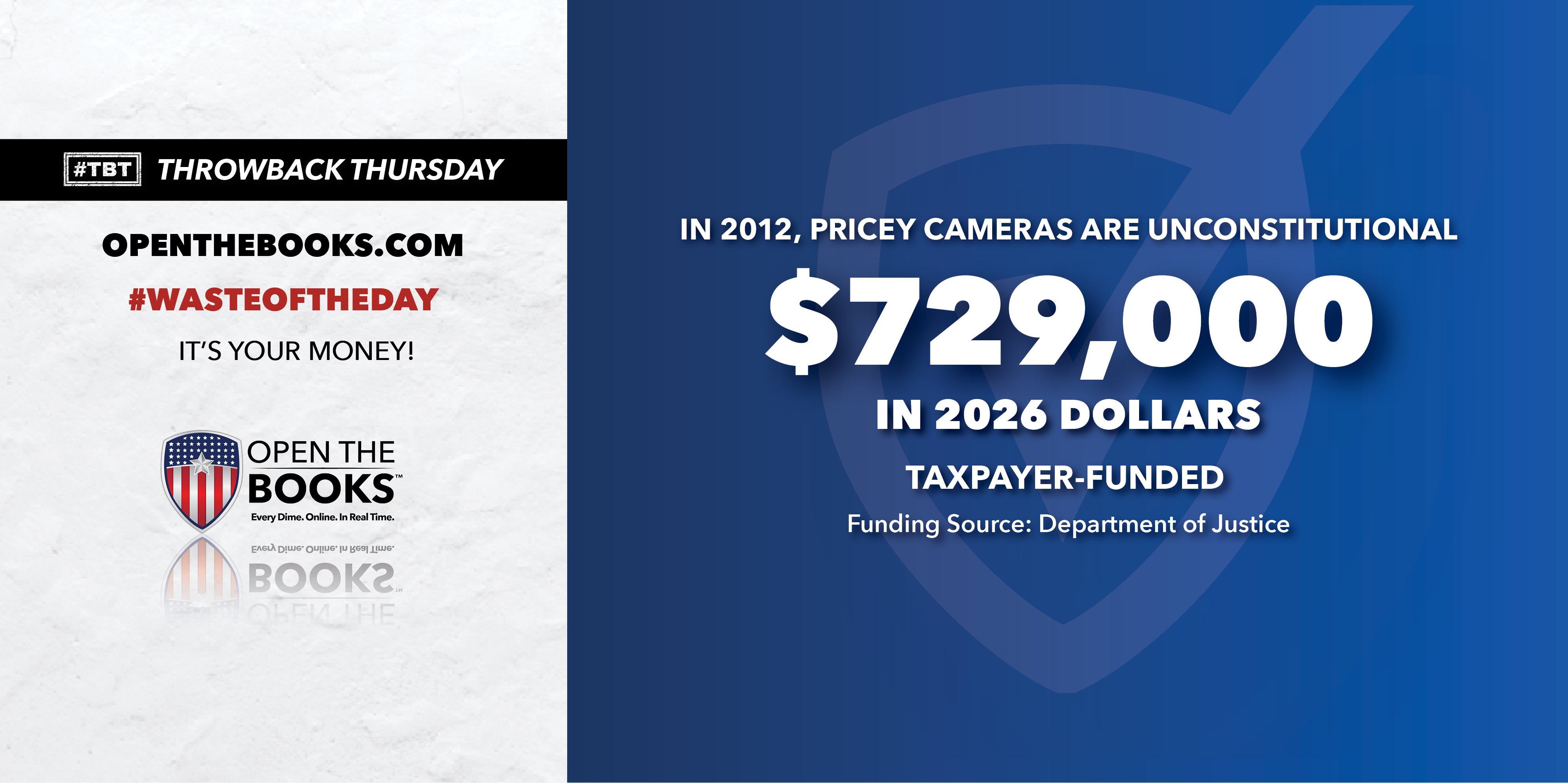
Topline: In 2012, officials in Baldwin County, Alabama, used a $500,000 federal grant from the Department of Justice to install nearly 200 surveillance cameras in three county courthouses.
The pricey security system was so powerful that it arguably violated federal privacy laws. Rather than risk a lawsuit, county officials shut off its audio recording capability entirely, leaving taxpayers to foot the bill for technology that could never legally be turned on.
That's according to the annual "Wastebook" report published by the late U.S. Senator Dr. Tom Coburn. For years, these reports shined a white-hot spotlight on federal frauds and taxpayer abuses.
Coburn, the legendary U.S. Senator from Oklahoma, earned the nickname "Dr. No" by stopping thousands of pork-barrel projects using the Senate rules. Projects that he couldn't stop, Coburn included in his oversight reports.
Coburn's Wastebook 2012 included 100 examples of outrageous spending worth more than $18 billion, including Alabama's constitutionally questionable courthouse cameras.
Key facts: Concerns surfaced over the security cameras when District Attorney Hallie Dixon and others realized the system was filming audio and video in hallway areas they had assumed were private. The cameras were so powerful that they could potentially capture privileged conversations between attorneys and their clients, or capture images of private text messages and computer screens.
“Just about every lawyer I have talked to has been shocked and outraged,” local defense lawyer Daniel Mitchell told the ABA Journal. “We all knew there were cameras, but no one ever notified anyone that there was more than video monitoring. Our bar association certainly didn’t know about it.”
That triggered a Federal Bureau of Investigation inquiry into whether the cameras qualified as an illegal wiretap under federal statute, which forced the county to spend $40,000 on legal fees.
The FBI ultimately decided not to prosecute the case after finding Baldwin County had “no nefarious intent” when installing the cameras. The county still decided to disable the audio recording feature out of an abundance of caution – and taxpayers were stuck with basic video cameras for the price of a next-gen system.
Search all federal, state and local salaries and vendor spending with the world’s largest government spending database at OpenTheBooks.com.
Background: Courthouse cameras aren't the only surveillance tech that have cost taxpayers more than they delivered. In Dayton, Ohio, city workers recently had to cover up automated license plate readers with trash bags after purchasing dozens of them for $825,000.
Officials suspended the program over reports that outside agencies used the data for immigration enforcement in violation of city policy.
Summary: Counties should be keeping a closer eye on their wasteful purchases, not their residents’ private conversations.
The #WasteOfTheDay is brought to you by the forensic auditors at OpenTheBooks.com
