


Waste of the Day: TBT - Super Bowl Freebie

Topline: Most football fans are likely jealous of anyone who can afford tickets to the Super Bowl, which typically cost thousands of dollars. But in 2012, fans watching at home were forced to cover the transportation costs of those with tickets to the big game.
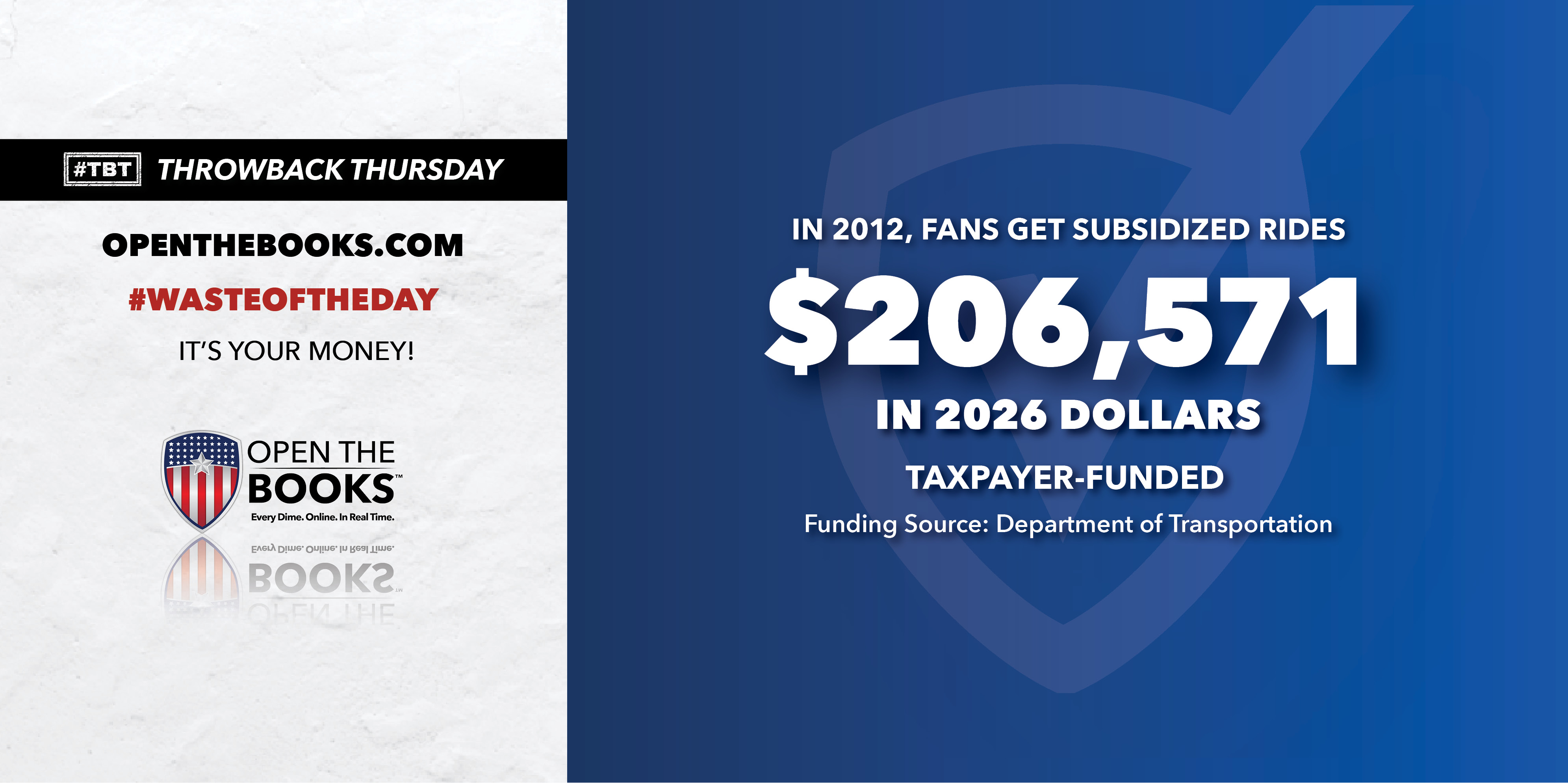
The U.S. Department of Transportation gave the City of Indianapolis $142,419 in taxpayer money to offer free bus rides to Lucas Oil Stadium on Super Bowl Sunday and the three days leading up to it. The money would be worth $206,571 today.
That’s according to the “Wastebook” reporting published by the late U.S. Senator Dr. Tom Coburn. For years, these reports shined a white-hot spotlight on federal frauds and taxpayer abuses.
Coburn, the legendary U.S. Senator from Oklahoma, earned the nickname "Dr. No" by stopping thousands of pork-barrel projects using the Senate rules. Projects that he couldn't stop, Coburn included in his oversight reports.
Coburn's Wastebook 2012 included 100 examples of outrageous spending worth more than $18 billion, including bus tickets to the Super Bowl.
Search all federal, state and local salaries and vendor spending with the world’s largest government spending database at OpenTheBooks.com.
Key facts: The grant was awarded to prevent traffic jams around Indianapolis. Fans would supposedly be incentivized to use public transportation, and there would be fewer cars on the road.
However, the bus fare normally only cost $1.75. It’s unlikely that small fee was top-of-mind for anyone with enough disposable income to buy Super Bowl tickets.
Indianapolis was already offering a shuttle service to the stadium for just $2. Hotels were also offering their own shuttles. And many fans were set on using their own cars regardless of other options.
Cabs were not as easy to find. The city did not allow a temporary increase in the number of taxis on the road because officials were worried they would speed.
It appears the odd federal funding arrangement never happened again. Tampa and Los Angeles offered free shuttles when they later hosted the Super Bowl, but they paid for them with their own city funds.
Summary: Subsidized transportation is usually meant for Americans who cannot afford it otherwise. It’s unlikely that any of them are buying tickets to the Super Bowl.
The #WasteOfTheDay is brought to you by the forensic auditors at OpenTheBooks.com
