


The legacy media’s failings in not just covering, but cheerleading, the Hillary Clinton campaign's Trump-Russia collusion hoax have been thoroughly documented by RealClearInvestigations and others. Still, it is significant that much contrarian and responsible journalism by the likes of Paul Sperry, Aaron Maté and Tom Kuntz of RCI has now been vindicated in the left-leaning Columbia Journalism Review, as it presents its reporter's own fresh revelations. The four-part series by Jeff Gerth, a former Pulitzer Prize-winning investigative reporter for the New York Times, documents the “undeclared war between an entrenched media” and President Trump with a special focus on the coverage by his former paper.
Gerth’s deeply reported, book-length article stretches from the 2016 campaign, when Clinton’s campaign cooked up and spread the Trump-Russia hoax, through the investigations of the conspiracy theory by the FBI and Special Counsel Robert S. Mueller in the years that followed, which wounded the president even as it debunked the claims against him. Almost every step of the way, Gerth reports, the Times and others suspended their skepticism to publish misleading articles.
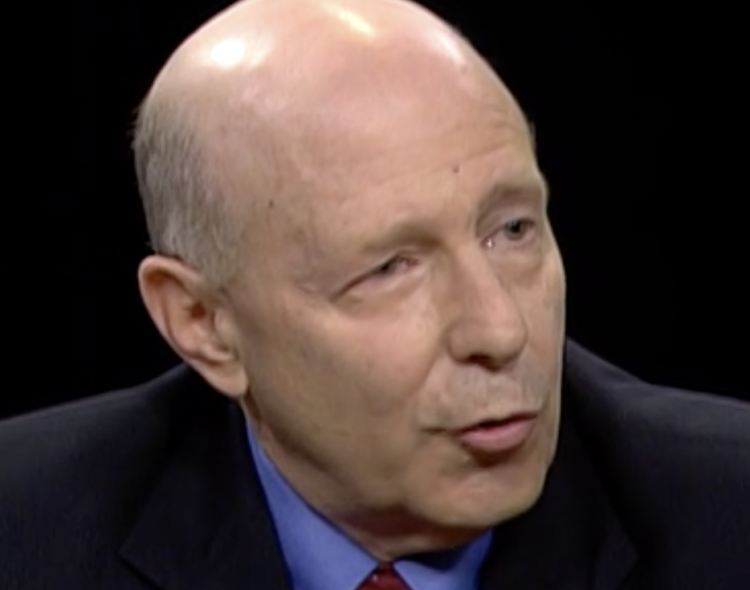
At the end of his must-read series, Gerth (inset) writes:
My main conclusion is that journalism’s primary missions, informing the public and holding powerful interests accountable, have been undermined by the erosion of journalistic norms and the media’s own lack of transparency about its work. This combination adds to people’s distrust about the media and exacerbates frayed political and social differences. … the damage to the credibility of the Times and its peers persists, three years on, and is likely to take on new energy as the nation faces yet another election season animated by antagonism toward the press.
In a column, RCI Articles Editor J. Peder Zane summarizes some of Gerth’s main findings.
And Mark Hemingway calls CJR's Russiagate post-mortem a good start.
(Inset credit: charlierose.com, 2007)
